
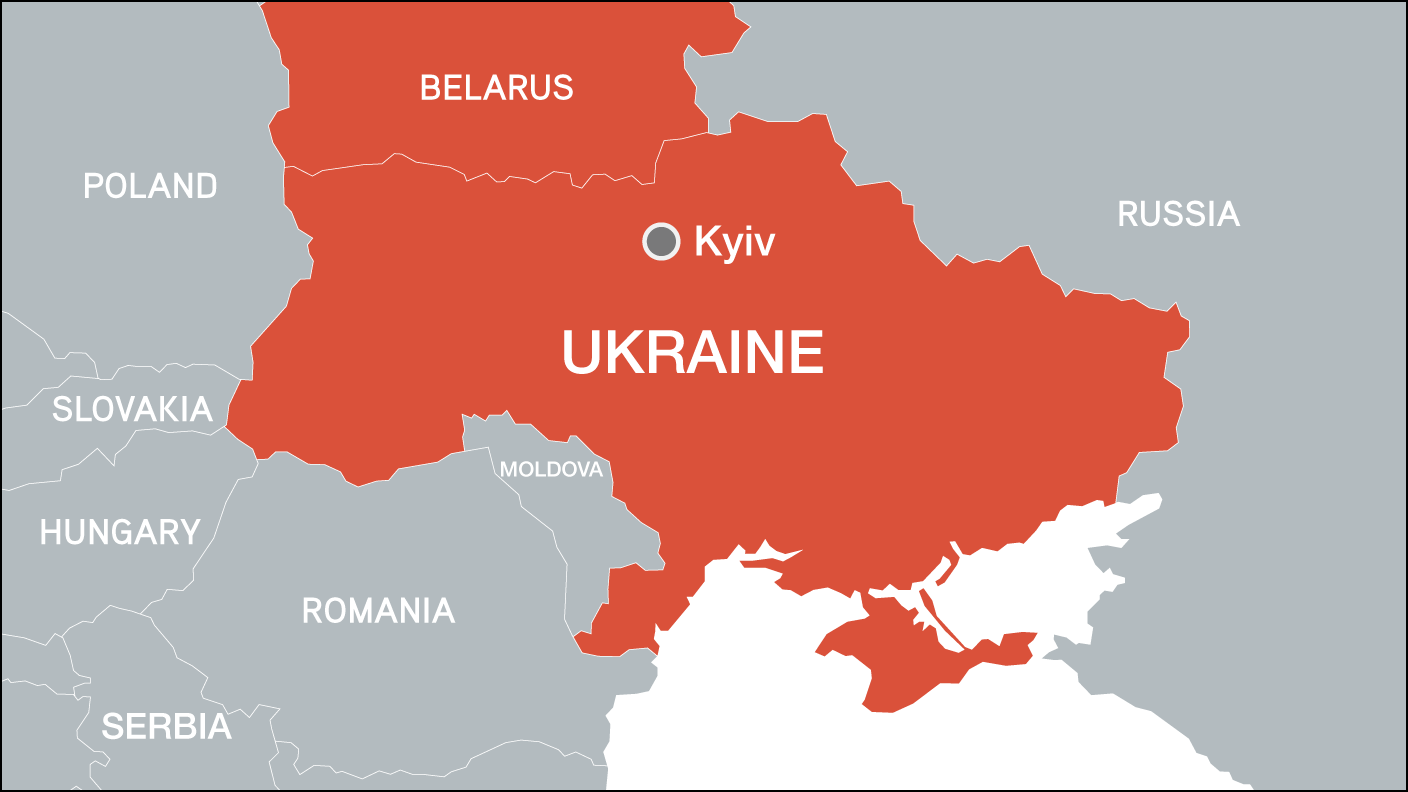
A New Phase in a Long War
After more than two years of grinding warfare, Ukraine–Russia peace negotiations have re-emerged as a serious subject in diplomatic corridors. While public statements from both sides remain cautious, several governments—including the US—have quietly expanded US–Russia communication channels aimed at preventing escalation.
Provision-by-Provision: What a Peace Framework Might Include
Analysts who have reviewed early drafts of proposed settlement frameworks say discussions revolve around a handful of predictable—but contentious—issues:
- Security Guarantees for Ukraine
Western diplomats are debating whether a “NATO-lite” arrangement could satisfy Kyiv without crossing Moscow’s red lines. - Territorial Control & Frozen Conflict Zones
Any arrangement touching borders, annexed territories, or autonomy structures is expected to be the most divisive provision. - International Aid & Reconstruction
Ukraine’s long-term viability will depend on sustained international aid and clear commitments to rebuilding its energy and transport grids. - Military De-escalation Mechanisms
Monitoring, verification, and withdrawal timelines remain at the centre of military strategy analyses being circulated among negotiators.
Geopolitical Stakes for Washington, Brussels, and Beijing
For the US and Europe, stabilising the conflict is not only about Ukraine’s future—it is about preventing a broader fracturing of Europe’s security architecture. Beijing, meanwhile, has leveraged its position as one of the few major powers maintaining relations with both Kyiv and Moscow, subtly shaping the geopolitics of conflict de-escalation.
Why Peace Talks Still Face Long Odds
Despite renewed dialogue, diplomats caution that neither side is yet convinced the battlefield has reached a stalemate significant enough to justify political compromise. But with winter strain, economic fatigue, and global pressure mounting, several insiders say the next six months could mark the conflict’s most consequential diplomatic window.