
A surprise diplomatic mission by Donald Trump’s special envoy, Steve Witkoff, has injected new momentum into efforts to end the war in Ukraine – just as a major new report reveals the world is buying weapons at unprecedented levels.
Witkoff’s trip to Moscow, confirmed by both U.S. and Russian officials, marks one of the most significant attempts yet to revive negotiations between Kyiv and Moscow. His arrival comes only days after updated peace proposals were circulated between American, Ukrainian, and Russian representatives – a streamlined version of a 28-point plan initially dismissed by Ukraine.
The timing is notable. On the same day Witkoff entered Moscow, the Stockholm International Peace Research Institute (SIPRI) published a landmark assessment showing global arms sales have surged to the highest level ever recorded, driven largely by the conflicts in Ukraine and Gaza.
The two developments – diplomacy and militarisation – now sit side by side, raising questions about whether the world is inching toward peace, or preparing for further instability.
A Quiet but High-Stakes Meeting in Moscow
Steve Witkoff, a billionaire real estate figure turned presidential envoy, met with Vladimir Putin in what Russian officials described as a “constructive exchange” on potential pathways to end the war. While details remain limited, the Kremlin signaled that the new U.S. proposal represents “a basis for further conversation,” though it reiterated its long-standing expectation that Ukraine acknowledge Russia’s control over disputed regions.
For the Trump team, the meeting is a calculated move. The former president has repeatedly promised to “bring the war to an end,” and has pushed for negotiations that Washington believes could reduce long-term U.S. security obligations in Europe.
In Kyiv, the latest version of the peace plan is being weighed carefully. President Volodymyr Zelenskyy said the revised proposal “looks better” but warned that territorial integrity remains non-negotiable. Ukrainian officials are particularly cautious about any deal that could freeze the front lines or force concessions without firm security guarantees.
Europe, too, is watching closely. Several EU leaders have quietly expressed concern that the U.S. might pressure Kyiv toward a deal that advantages Moscow – a fear amplified by Europe’s limited leverage over the negotiation process.
Global Arms Industry Posts Record Revenues
While political envoys shuttle between capitals, SIPRI’s new report paints a stark portrait of a world preparing for conflict, not peace.
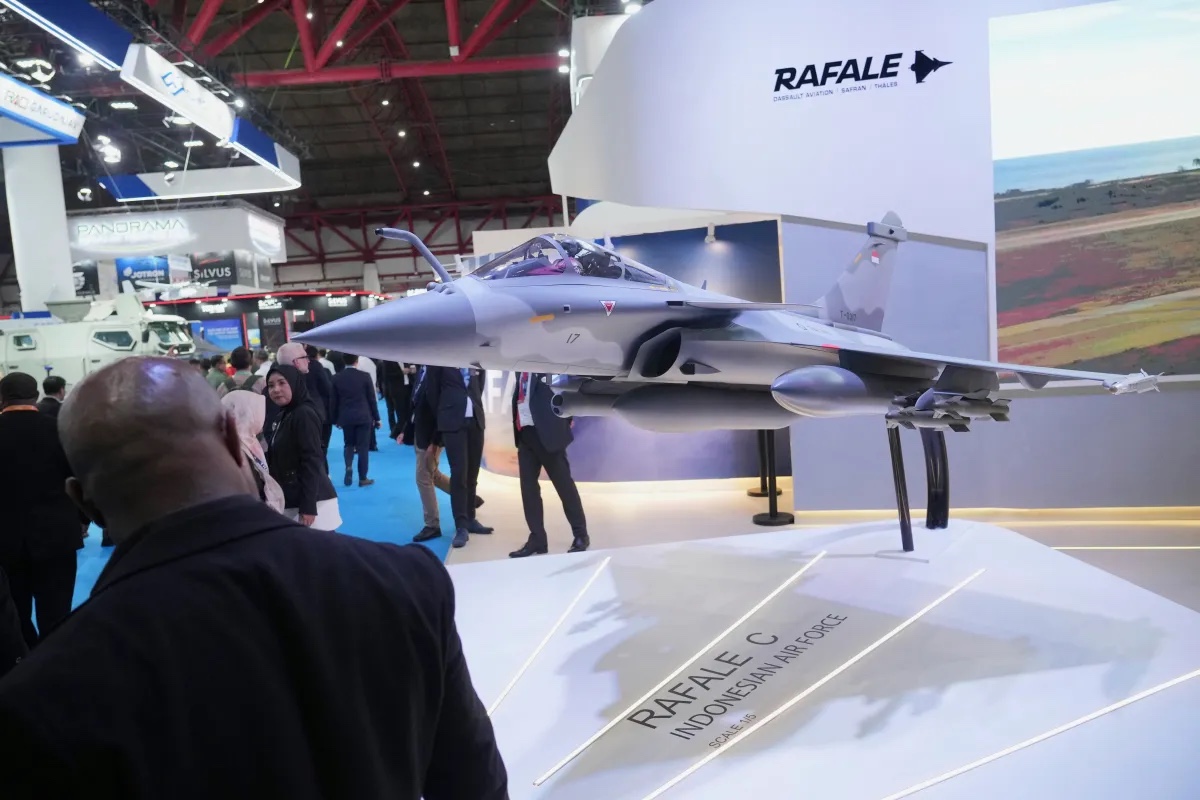
According to SIPRI, global arms revenues reached $679 billion in 2024 – the highest figure ever recorded. Nearly every major defense contractor in the United States and Europe posted strong growth, reflecting soaring demand for munitions, drones, air-defense systems, and artillery.
Several trends stand out:
European and American arms manufacturers led global growth, fueled by Ukraine’s urgent battlefield requirements. Two major Russian defense companies posted revenue gains despite international sanctions, supported by domestic military spending. A significant dip in Asian defense sales signals shifting global purchasing patterns, as Western weapons dominate the current market. Ukraine has become one of the world’s largest arms importers, with deliveries nearly 100 times higher than before the 2022 invasion.
SIPRI analysts warn that the sharp rise could entrench long-term militarisation even if peace talks advance.
A Peace Plan Against a Militarised Backdrop
The juxtaposition of Witkoff’s Moscow visit and SIPRI’s report underscores the contradictory forces shaping geopolitics in 2025.
On one hand, there are signs of genuine movement toward negotiation. The U.S. and Russia are now engaging through direct envoys. Ukraine is reviewing proposals instead of rejecting them outright. And Trump – whose personal diplomacy often drives his foreign policy – appears intent on securing a diplomatic win.
Yet at the same time, governments are stockpiling weapons at a pace not seen since the Cold War. Defense industries are expanding manufacturing lines. Nations across Europe and Asia are boosting their military budgets. And on the ground, neither Ukraine nor Russia has shown willingness to end the conflict without concessions the other considers unacceptable.
It creates a global environment where peace efforts continue — but no one is putting down their weapons.
What Happens Next?
The next milestones are crucial:
Outcome of the Witkoff–Putin talks: Any breakthrough, even symbolic, could alter the trajectory of the war. Kyiv’s stance: Ukraine’s acceptance or rejection of the latest U.S. proposals will determine whether negotiations move forward. Europe’s response: EU leaders will be decisive in either supporting or challenging Washington’s diplomatic push. Defense industry signals: How arms manufacturers react to diplomatic momentum may indicate whether the world expects war to continue.
For now, diplomacy and rearmament remain locked together, a tension that defines the global security landscape in 2025.
Should the next envoy’s flight to Moscow bring a real breakthrough, history may mark this week as a turning point. But if talks stall, SIPRI’s record-breaking arms figures may be only the beginning.