
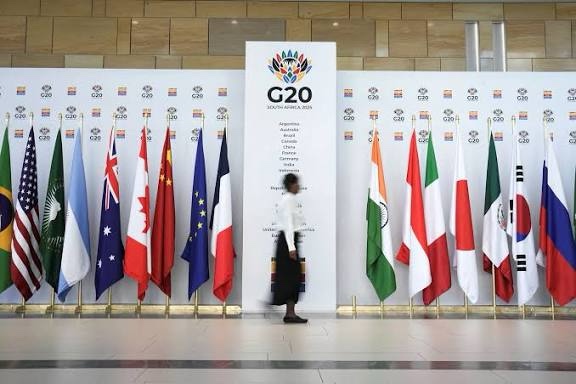
Johannesburg, South Africa – November 22, 2025: The G20 Leaders’ Summit officially began today in Johannesburg, marking the first time the world’s premier economic forum is hosted in Africa. Delegates from the world’s largest economies are convening to discuss pressing global issues, with a particular focus on development financing, climate resilience, and the debt burden of emerging economies.
G20 Summit 2025 Theme: Solidarity, Equality, Sustainability
The summit’s theme, “Solidarity, Equality, Sustainability,” underscores the growing influence of the Global South in shaping the future of international economic policy. Leaders are expected to deliberate on reforms to global financial institutions, aiming to enhance support for emerging markets and create pathways for sustainable development.
For India, one of the key agendas at the summit is pushing for reforms in global financial institutions. New concessional financing mechanisms are expected to be discussed, potentially reshaping funding access for developing nations and reinforcing economic resilience in vulnerable regions.
U.S. Absence Casts Spotlight on Human Rights Concerns
The summit is unfolding amid notable diplomatic dynamics. Several U.S. officials, including former President Donald Trump, have opted to boycott the Johannesburg summit, citing human rights concerns in South Africa. This absence has drawn attention to the evolving global political landscape, highlighting how geopolitical considerations intersect with economic diplomacy.
Analysts suggest that while the U.S. boycott may slightly alter the summit’s dynamics, the meeting remains a critical platform for emerging economies to assert their influence on global financial governance.
Why the G20 Summit in South Africa Matters
Hosting the G20 in Africa represents more than symbolism. It signals an acknowledgment of Africa’s growing economic potential and provides a platform for emerging economies to highlight development challenges. With issues such as climate finance, debt relief, and sustainable growth on the table, the summit is expected to shape policy decisions that will influence global markets and international cooperation in the years ahead.
As the summit progresses, global attention will focus on whether these discussions translate into concrete actions for development financing and climate resilience, and how the absence of major players like the U.S. may impact outcomes.