
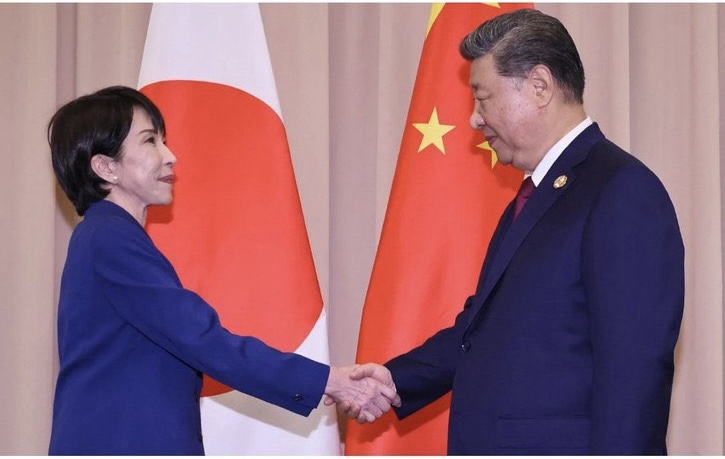
Diplomatic tensions between China and Japan are intensifying over the situation in Taiwan, raising concerns across the Indo-Pacific region. Japanese Prime Minister Sanae Takaichi recently stated that a potential Chinese attack on Taiwan could be viewed as a direct threat to Japan’s national security, potentially triggering a Japanese military response.
Economic Measures Signal Rising Strain
In retaliation, China has suspended imports of Japanese seafood, a move analysts interpret as a calculated economic signal rather than a military escalation. The decision highlights the interconnectedness of trade and diplomacy in East Asia, where economic levers are increasingly employed to convey political messages.
Heightened Diplomatic Alerts
The diplomatic environment remains tense. China has issued travel advisories for Japanese nationals, urging caution in certain regions, while Japan has warned its citizens in China to exercise vigilance. Experts note that these measures reflect a broader pattern of cautious engagement amid rising geopolitical friction.
Domestic Backlash in Japan
Within Japan, the Prime Minister’s comments have sparked public protests, with citizens urging restraint to prevent further escalation. The domestic response underscores the delicate balance between national security imperatives and public opinion in Japan’s policy decisions.
Strategic Implications
The China–Japan–Taiwan dynamic is emerging as a key geopolitical flashpoint in the Indo-Pacific. Potential miscalculations could have far-reaching consequences for regional security, trade relations, and investment flows. Policymakers and business leaders are closely monitoring developments to assess both risk and stability in this strategically critical corridor.