
A Sudden Shift in India’s Oil Supply Strategy
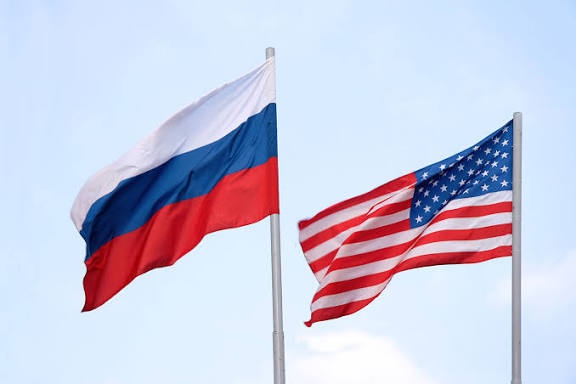
The United States has officially enforced new sanctions on Russia’s oil giants Rosneft and Lukoil as of 21 November 2025, and the impact is already being felt across India’s energy sector. For nearly three years, India has relied heavily on discounted Russian crude to reduce its import bill and stabilise domestic fuel prices. With these sanctions now active, the country faces one of its biggest supply challenges in recent years.
How the Sanctions Disrupt India’s Crude Imports
The sanctions require companies across the world to wind down business with Rosneft and Lukoil , two major suppliers dominating India’s Russian crude imports. Their share in India’s oil basket has provided affordability and flexibility, but now, with restrictions tightening, shipments are slowing and traders are acting cautiously to avoid secondary U.S. sanctions.
For India, the immediate outcome is a tightening supply chain. Refineries that once relied on cheaper Russian barrels must now replace them with costlier alternatives from the Middle East, the United States, and Africa. This transition is likely to increase India’s overall import bill and could place upward pressure on domestic fuel prices. Some export-driven refineries are already preparing to phase out Russian crude completely to avoid compliance risks.
Geopolitical Pressure and India’s Delicate Balancing Act
Beyond the economics, the situation carries a strong geopolitical undertone. India has carefully balanced its relations with both Moscow and Washington for years, particularly in areas like energy and defence. The latest sanctions place New Delhi at a crossroads, requiring a strategy that secures energy needs without straining global partnerships.
Russia may attempt alternate routes to continue supplying crude, but India will have to weigh the risk of attracting sanctions-related pressure. Diplomatically, this is a critical moment for India as global powers tighten their positions.
What India Will Likely Do Next
Energy analysts expect India to strengthen long-term oil agreements with Gulf suppliers such as Saudi Arabia, the UAE, and Kuwait. Refineries may also boost imports from West Africa and Latin America as they search for blends that can match Russian oil’s technical benefits. At the same time, policymakers might accelerate domestic energy reforms focusing on refining flexibility, renewable integration, and strategic petroleum reserves.
Conclusion:
A New Phase for India’s Energy Market
The U.S. sanctions mark a major turning point in the global oil landscape. As Washington increases financial pressure on Moscow, countries that benefited from Russian discounts must rethink their approach. For India, the next few months will be about recalibration, balancing affordability, energy security, and diplomatic strategy in a world where geopolitics has become inseparable from the energy market.