
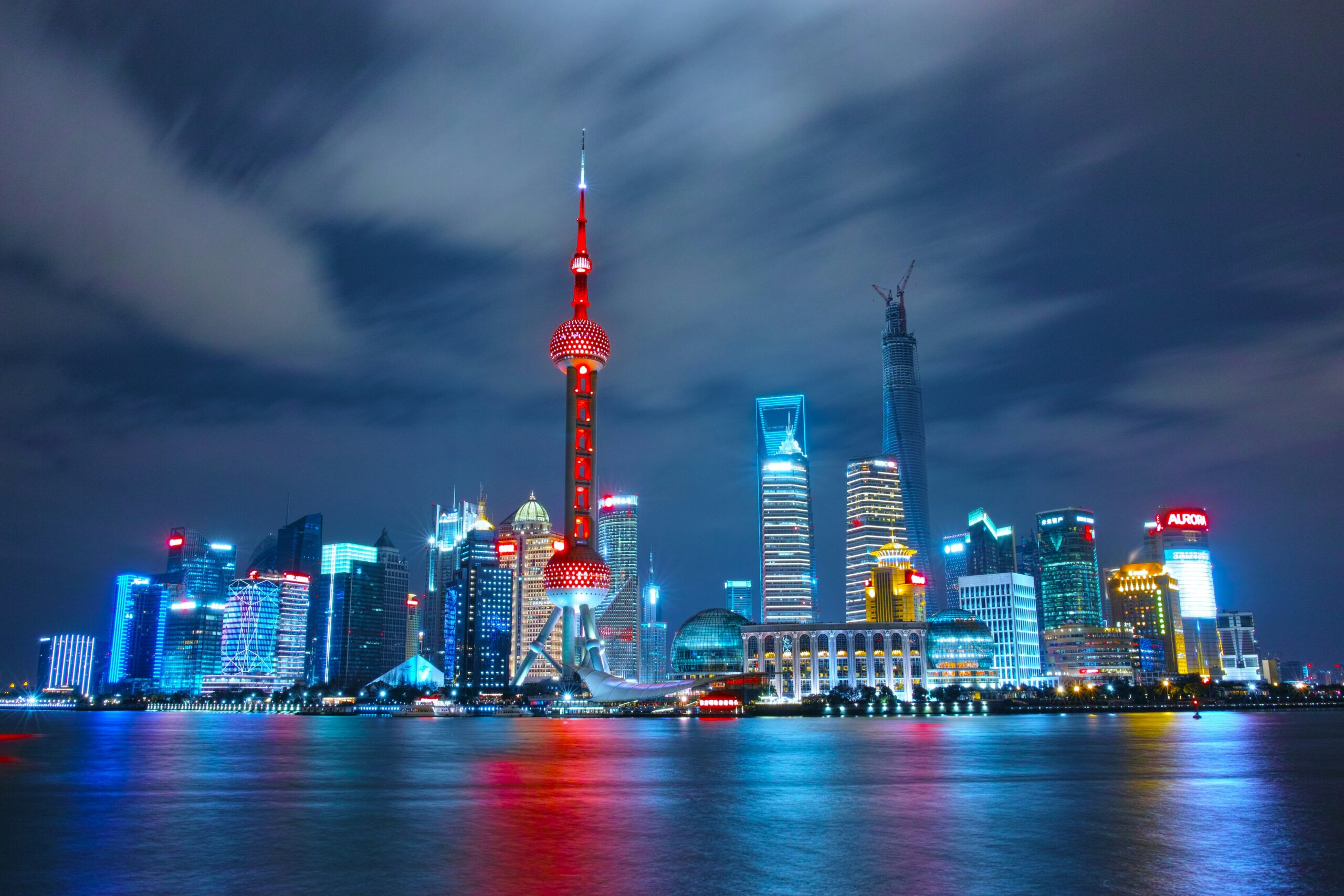
Ever wondered how China became a global economic powerhouse in just a few decades? From Shenzhen’s tech boom to nationwide automation, the story of China’s rise is both fascinating and instructive. We visited Shenzhen to see firsthand the strategies, policies, and innovations that transformed a small fishing village into a global hub of technology and manufacturing.
For the last few months, I kept seeing the same kind of posts everywhere. People were talking about India becoming a superpower, replacing China, and turning into the world’s factory. With so many opinions floating around, I started wondering what was actually happening in China right now.
Estimated reading time: 7 minutes
For almost two decades, China has been manufacturing nearly everything we use. The phone you’re reading this on, your laptop, and even many electric vehicles are made there. What makes this even more surprising is that China wasn’t always this way. Not too long ago, it was poorer than many African countries. So how did it pull this off? What really changed?
Instead of relying on online opinions, we decided to see things for ourselves.
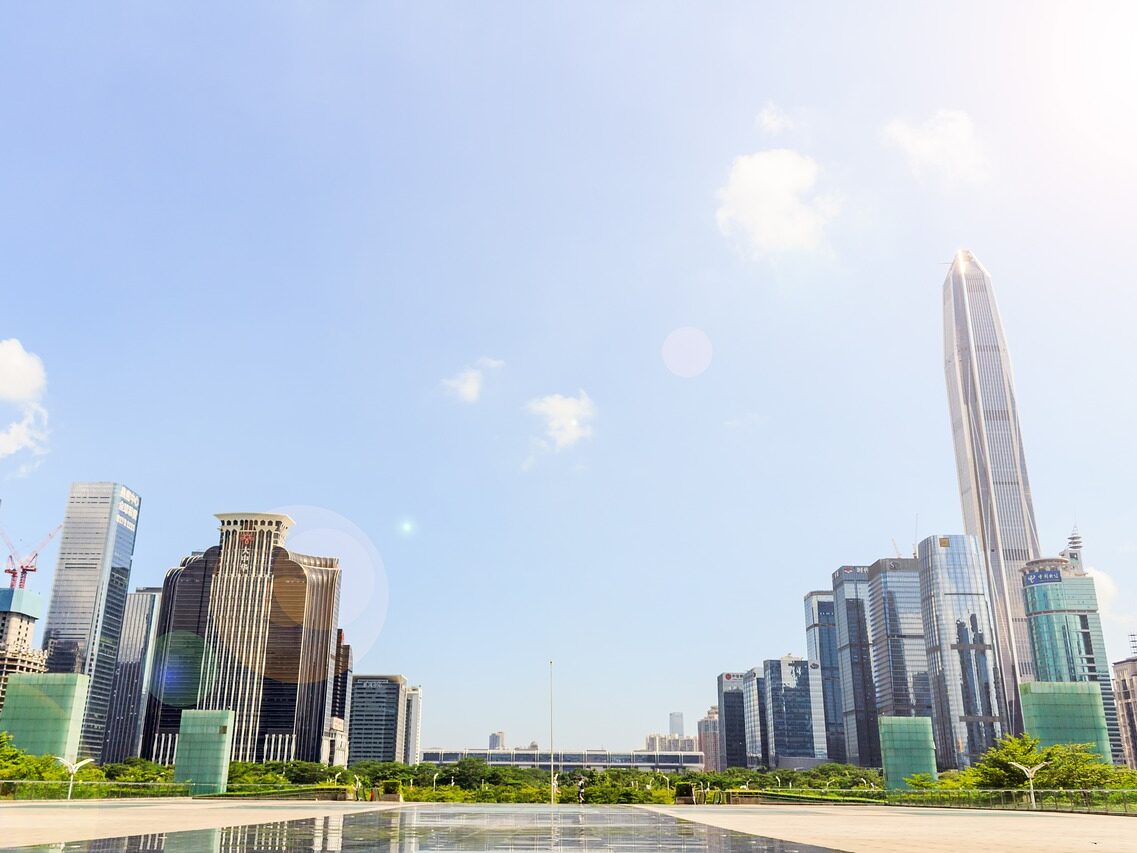
China’s Economic Transformation Through Technology and Innovation
Everyone has an opinion about China, but very few people have actually been there. When our team got the chance to visit Shenzhen for a project, we realized this was the perfect opportunity to understand what’s really happening on the ground.
Shenzhen is often called the Silicon Valley of China. We visited factories, spoke to locals, and observed daily life closely. What we saw was very different from the image most people have from outside.
Lessons from China’s Rise as a Global Economic Powerhouse
Before getting into our experience, it’s important to understand how economic growth works. Economist Robert Solow explained that growth depends on three key factors: capital, labor, and technology.
Countries usually start by building factories, machines, and infrastructure. That helps initially, but there’s a limit to how much growth this can create. The real long-term driver of growth is technology. This idea kept coming back to us as we moved through China.
First Impressions After Landing in China
One of the first things that surprised us was the air quality. Out of curiosity, the team checked the AQI in Shenzhen. It was 31. For a major industrial city, that was unexpected, especially when compared to many large cities in India.
And this was just the beginning.
Shenzhen: From Fishing Village to Global Tech Hub
Smart Navigation and Real-Time Data
Understanding how China became a global economic powerhouse requires looking at its investment in technology, infrastructure, and skilled labor.
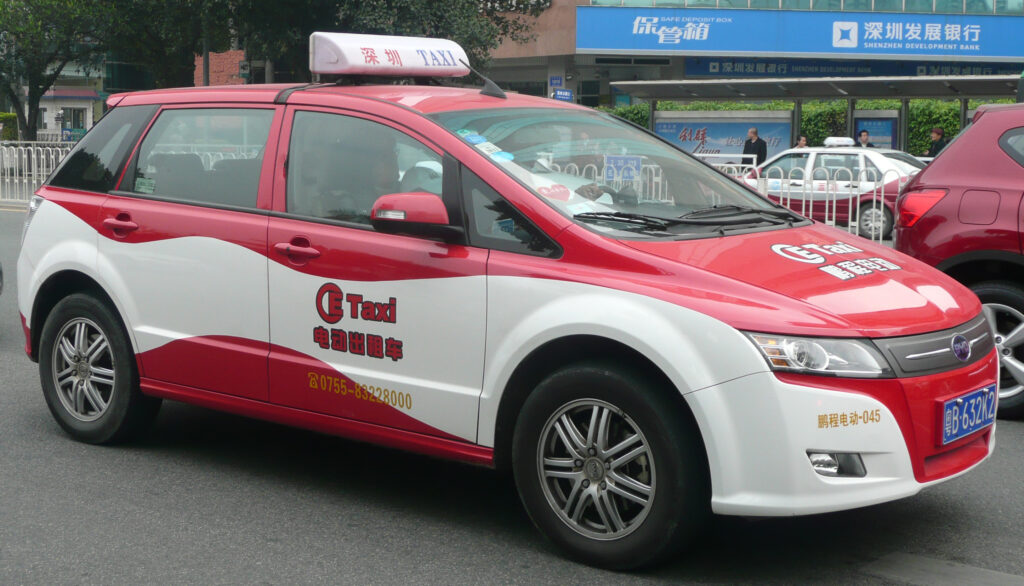
Our first real encounter with Chinese technology came in a taxi. The driver wasn’t using Google Maps. Instead, he was using a local navigation app developed by Alibaba. This app showed real-time traffic signals, speed cameras, and live road conditions. According to the driver, almost everyone uses it, and it’s extremely accurate.
Robots in Hotels and Everyday Automation
When we reached our hotel, which wasn’t even a luxury property, we noticed robots moving around. These robots weren’t for display. They were delivering food, using elevators on their own, and moving between floors. The receptionist told us this was very common and had been around for years. She also mentioned that Alibaba has been running fully automated hotels since 2018.
How Digital Payments Power the Chinese Economy
Trying to pay with cash was another culture shock. People genuinely looked confused. In China, almost everything happens through smartphones.
Most of it runs through one app: WeChat. It combines messaging, payments, cab booking, videos, and more. With around 1.3 billion monthly active users, it’s used by nearly 80 percent of China’s population. Imagine WhatsApp, Paytm, Uber, and YouTube all rolled into one app.
Why Electric Vehicles Dominate Shenzhen’s Roads
One thing we noticed immediately was that almost every taxi in Shenzhen is electric. At first, we thought this was limited to taxis, but we soon realized many regular citizens drive EVs as well.
The reason lies in government policy. China uses a lottery system for petrol vehicle number plates, and people can wait for years without success. Electric vehicles don’t require a lottery. You can buy one and drive it out immediately.
On top of that, running an EV costs around 600 yuan per month, while petrol vehicles can cost anywhere between 1,700 and 3,800 yuan. The difference is clear, and it explains the rapid growth of the EV industry in China.
Traffic Discipline and AI Surveillance
Traffic discipline was another major difference. We didn’t see a single person jumping a red light. This is largely enforced using AI-powered facial recognition cameras. The system works so efficiently that people simply follow the rules.
Inside a Chinese Factory: Automation Over Cheap Labor
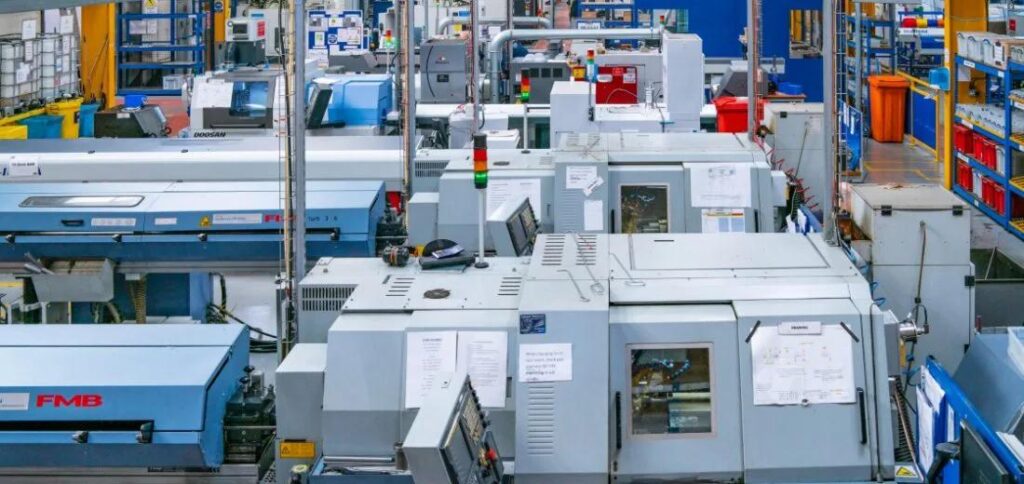
Automation in China isn’t limited to daily life. During a factory visit, the team saw over 20 massive machines running at high speed, with just one person supervising them. Human workers were mainly involved in assembly and quality control.
What surprised us even more was the wages. A factory worker earns around 8,800 yuan per month, which is over one lakh rupees. Labor in China is no longer cheap. This is a common myth outside the country.
Why Companies Still Manufacture in China
So if labor isn’t cheap anymore, why do companies still manufacture in China?
According to economist Michael Pettis, China’s biggest advantage is government support. This includes world-class infrastructure, fast approvals, and access to cheap credit. Between 1985 and 2005, foreign investment flowed into China at nearly three percent of its GDP every year. Since 2014, the government has also created thousands of funds to support high-tech industries.
Shenzhen’s Journey From Fishing Village to Tech Capital
Until 1979, Shenzhen was just a fishing village with a population of about 30,000. Everything changed in 1980 when it became China’s first Special Economic Zone.
This decision attracted foreign investment, encouraged entrepreneurship, and led to rapid urban development. Over time, Shenzhen evolved from a manufacturing hub into an innovation center. Today, it is home to companies like Huawei, Tencent, and DJI.
Busting Myths About China and Its People
Before visiting, many of us assumed Chinese people might be unfriendly or closed off. The reality was very different. People were welcoming, curious, and surprisingly familiar with Indian culture. Many locals spoke about Bollywood movies and admired Indian actors.
At the same time, China has its challenges. One example is the hukou system, which limits access to services for migrants without urban registration. This creates an invisible divide within society.
Understanding how China became a global economic powerhouse requires looking at its investment in technology, infrastructure, and skilled labor.
What India Can Learn From China’s Growth Story
This trip left us with many lessons. China’s growth didn’t happen by accident. It was driven by long-term planning, heavy investment in infrastructure, and a strong focus on technology and skills.
India has immense talent and potential. By investing more in upskilling, infrastructure, and technology integration, there is a lot we can achieve. The goal doesn’t have to be becoming the next China, but learning from their journey while creating our own path.
Conclusion
The journey of how China became a global economic powerhouse shows the power of bold policies, innovation, and investment in people—lessons that countries like India can learn from to chart their own path.
China is a complex country. It has strengths, weaknesses, and contradictions. To truly understand it, you need to experience it firsthand. This journey showed us how powerful clear policies, ambition, and execution can be.
The real question isn’t whether India can replace China. The question is whether we can learn from their experience and build something uniquely our own.
What do you think? Share your thoughts in the comments.
China became a global economic powerhouse through a combination of strategic government policies, investment in infrastructure and technology, massive urbanization, and a focus on innovation. Cities like Shenzhen evolved from small towns to technology and manufacturing hubs, attracting foreign investment and skilled talent.
Shenzhen is often called China’s “Silicon Valley.” It was designated as the first Special Economic Zone in 1980, which attracted foreign investment, encouraged entrepreneurship, and became a hub for manufacturing and technology innovation.